
Kundli Kaka

Chapter 7 of 18 · 30 verses

Knowing the Divine ज्ञानविज्ञानयोग

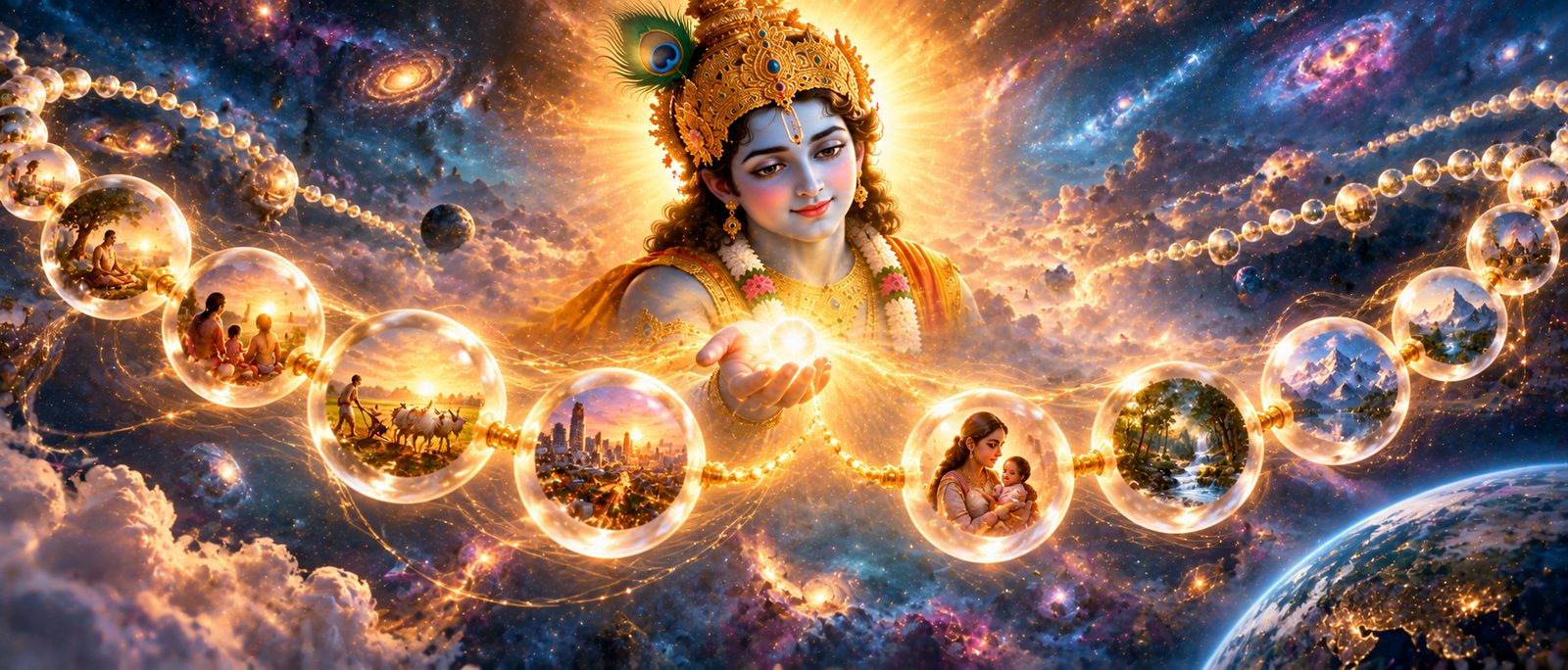
Krishna explains that everything in the world is held together by one divine power, like beads on a thread. Even those who come to God for different reasons, in trouble, in curiosity or for something they want, are welcome. The wise person who loves God without any condition is dearest.

कृष्ण बताते हैं कि संसार की हर चीज़ एक ही दिव्य शक्ति से जुड़ी है, जैसे धागे में मोती। कोई दुःख में आए, जिज्ञासा से आए या कुछ माँगने आए, सबका स्वागत है। जो समझदार बिना किसी शर्त के ईश्वर से प्रेम करता है, वह सबसे प्रिय है।

Show meaning in
7.1

मय्यासक्तमनाः पार्थ योगं युञ्जन्मदाश्रयः। असंशयं समग्रं मां यथा ज्ञास्यसि तच्छृणु

śhrī bhagavān uvācha
mayyāsakta-manāḥ pārtha yogaṁ yuñjan mad-āśhrayaḥ
asanśhayaṁ samagraṁ māṁ yathā jñāsyasi tach chhṛiṇu

The Blessed Lord says: Listen, Arjuna, how you will know me fully and without doubt, with your mind fixed on me, practising yoga and taking refuge in me.

भगवान कहते हैं: हे पार्थ, मुझमें मन लगाकर और मेरा आश्रय लेकर योग का अभ्यास करते हुए तुम जिस प्रकार निःसन्देह मुझे पूरा जानोगे, वह सुनो।

What Krishna meant

Krishna begins a new teaching and tells Arjuna to listen closely. He promises to explain how Arjuna can know him fully and without doubt, by keeping the mind on him. For example, when a good teacher says listen carefully, it is an invitation to pay real attention.

कृष्ण नई शिक्षा शुरू करते हैं और अर्जुन से ध्यान से सुनने को कहते हैं। वे बताएँगे कि अर्जुन उन्हें पूरी तरह और बिना शक कैसे जान सकता है, अगर मन उन पर टिका रखे। जब कोई अच्छा गुरु कहे कि ध्यान से सुनो, तो वह सच्चे ध्यान का निमंत्रण होता है।
7.2

ज्ञानं तेऽहं सविज्ञानमिदं वक्ष्याम्यशेषतः। यज्ज्ञात्वा नेह भूयोऽन्यज्ज्ञातव्यमवशिष्यते

jñānaṁ te ’haṁ sa-vijñānam idaṁ vakṣhyāmyaśheṣhataḥ
yaj jñātvā neha bhūyo ’nyaj jñātavyam-avaśhiṣhyate

I will tell you fully this knowledge along with its experience, knowing which nothing more remains to be known here.

मैं तुम्हें अनुभव सहित यह ज्ञान पूरा-पूरा कहूँगा, जिसे जानकर इस संसार में और कुछ जानने योग्य नहीं रह जाता।

What Krishna meant

Krishna says he will explain this knowledge together with real experience of it, and that once it is known, nothing else important is left to learn. For example, reading about swimming is useful, but real understanding comes only after you get into the water.

कृष्ण कहते हैं कि वे यह ज्ञान अनुभव के साथ पूरा समझाएँगे, और इसे जान लेने के बाद कोई ज़रूरी चीज़ जानने को नहीं बचती। तैरने के बारे में पढ़ना काम का है, पर असली समझ पानी में उतरने के बाद ही आती है।

7.3

मनुष्याणां सहस्रेषु कश्िचद्यतति सिद्धये। यततामपि सिद्धानां कश्िचन्मां वेत्ति तत्त्वतः

manuṣhyāṇāṁ sahasreṣhu kaśhchid yatati siddhaye
yatatām api siddhānāṁ kaśhchin māṁ vetti tattvataḥ

Among thousands of people, hardly one strives for perfection, and among those who strive and succeed, hardly one knows me in truth.

हज़ारों मनुष्यों में कोई एक सिद्धि के लिए प्रयत्न करता है, और प्रयत्न करने वाले सिद्धों में भी कोई एक मुझे तत्त्व से जानता है।

What Krishna meant

Krishna says that very few people among thousands truly try to reach the highest, and even among those who do, hardly one knows him as he truly is. For example, many people want to be calm, but only a few stay patient enough to practise every day.

कृष्ण कहते हैं कि हज़ारों में बहुत कम लोग सच में सबसे ऊँचे को पाने की कोशिश करते हैं, और कोशिश करने वालों में भी विरल ही उन्हें असली रूप में जानता है। बहुत लोग शांत होना चाहते हैं, पर कम लोग रोज़ अभ्यास करने जितना धीरज रखते हैं।

7.4

भूमिरापोऽनलो वायुः खं मनो बुद्धिरेव च। अहङ्कार इतीयं मे भिन्ना प्रकृतिरष्टधा

bhūmir-āpo ’nalo vāyuḥ khaṁ mano buddhir eva cha
ahankāra itīyaṁ me bhinnā prakṛitir aṣhṭadhā

Earth, water, fire, air, space, mind, intellect and ego: this is my nature divided eightfold.

पृथ्वी, जल, अग्नि, वायु, आकाश, मन, बुद्धि और अहंकार, यह मेरी प्रकृति आठ भागों में बँटी हुई है।

What Krishna meant

Krishna describes part of his nature: earth, water, fire, air, space, mind, intellect and ego. These eight make up the world we see and feel. For example, your own body and your thoughts are made of these same things, so you belong to the whole world.

कृष्ण अपने स्वभाव का एक हिस्सा बताते हैं: पृथ्वी, जल, अग्नि, वायु, आकाश, मन, बुद्धि और अहंकार। इन आठ से वह दुनिया बनी है जो हम देखते और महसूस करते हैं। आपका शरीर और आपके विचार भी इन्हीं से बने हैं, इसलिए आप पूरे संसार का हिस्सा हैं।

7.5

अपरेयमितस्त्वन्यां प्रकृतिं विद्धि मे पराम्। जीवभूतां महाबाहो ययेदं धार्यते जगत्

apareyam itas tvanyāṁ prakṛitiṁ viddhi me parām
jīva-bhūtāṁ mahā-bāho yayedaṁ dhāryate jagat

This is my lower nature. Know my other, higher nature, the life-giving one, by which the world is held up, mighty-armed.

यह मेरी अपरा प्रकृति है। हे महाबाहो, इसके सिवा मेरी दूसरी श्रेष्ठ प्रकृति को जानो, जो जीवरूप है और जिससे यह जगत धारण किया गया है।

What Krishna meant

Krishna says that what he just described is his lower nature, and there is another, higher nature, the life force that holds the whole world up. For example, a body without life is just matter. It is the living spark inside that makes a person who they are.

कृष्ण कहते हैं कि जो उन्होंने अभी बताया वह उनकी निचली प्रकृति है, और एक दूसरी, ऊँची प्रकृति है, वह जीवन-शक्ति जो पूरे संसार को थामे हुए है। बिना जीवन का शरीर सिर्फ़ पदार्थ है। भीतर की जीवित चिंगारी ही इंसान को वह बनाती है जो वह है।

7.6

एतद्योनीनि भूतानि सर्वाणीत्युपधारय। अहं कृत्स्नस्य जगतः प्रभवः प्रलयस्तथा

etad-yonīni bhūtāni sarvāṇītyupadhāraya
ahaṁ kṛitsnasya jagataḥ prabhavaḥ pralayas tathā

Understand that all beings come from these two. I am the origin of the whole world and also its dissolution.

जान लो कि सब प्राणी इन्हीं दोनों से उत्पन्न होते हैं। मैं सारे जगत की उत्पत्ति और प्रलय का कारण हूँ।

What Krishna meant

Krishna says every living being comes from these two natures, and that he is where the whole world begins and where it returns. For example, just as a wave rises from the sea and settles back into it, everything comes from one source and goes back to it.

कृष्ण कहते हैं कि हर जीव इन दोनों प्रकृतियों से आता है, और वे ही हैं जहाँ से सारा संसार शुरू होता है और जहाँ वापस लौटता है। जैसे लहर समुद्र से उठती है और उसी में लौट जाती है, वैसे ही सब कुछ एक स्रोत से आता है और उसी में समा जाता है।

7.7

मत्तः परतरं नान्यत्किञ्चिदस्ति धनञ्जय। मयि सर्वमिदं प्रोतं सूत्रे मणिगणा इव

mattaḥ parataraṁ nānyat kiñchid asti dhanañjaya
mayi sarvam idaṁ protaṁ sūtre maṇi-gaṇā iva

There is nothing higher than me, Arjuna. All this is strung on me as rows of gems on a thread.

हे धनञ्जय, मुझसे श्रेष्ठ कुछ और नहीं है। जैसे धागे में मणियाँ पिरोई रहती हैं, वैसे ही यह सब कुछ मुझमें पिरोया हुआ है।

What Krishna meant

Krishna tells Arjuna that nothing is higher than him, and that everything is strung on him like a row of beads on a thread. For example, in a necklace you mainly notice the beads, but it is the quiet thread that holds them all together.

कृष्ण अर्जुन से कहते हैं कि उनसे ऊपर कुछ नहीं है, और सब कुछ उन पर ऐसे पिरोया है जैसे धागे पर मनके। हार में हमें मनके दिखते हैं, पर उन सबको जोड़कर रखने वाला चुपचाप धागा ही होता है।

7.8

रसोऽहमप्सु कौन्तेय प्रभास्मि शशिसूर्ययोः। प्रणवः सर्ववेदेषु शब्दः खे पौरुषं नृषु

raso ’ham apsu kaunteya prabhāsmi śhaśhi-sūryayoḥ
praṇavaḥ sarva-vedeṣhu śhabdaḥ khe pauruṣhaṁ nṛiṣhu

I am the taste in water, Arjuna, the light in the moon and sun, the sacred Om in all the Vedas, the sound in space and the manliness in men.

हे कौन्तेय, मैं जल में रस हूँ, चन्द्रमा और सूर्य में प्रकाश हूँ, सब वेदों में ओंकार हूँ, आकाश में शब्द हूँ और पुरुषों में पुरुषार्थ हूँ।

What Krishna meant

Krishna begins to show how he can be found in everyday things. He says he is the taste in water, the light of the sun and moon, the sacred sound Om and the strength in people. For example, a sip of cool water on a hot day can remind you of this.

कृष्ण बताने लगते हैं कि वे रोज़मर्रा की चीज़ों में कैसे मिलते हैं। वे कहते हैं कि वे पानी का स्वाद हैं, सूरज-चाँद की रोशनी हैं, पवित्र ध्वनि ओम हैं और इंसान की ताकत हैं। गर्मी में ठंडे पानी का एक घूँट इसकी याद दिला सकता है।

7.9

पुण्यो गन्धः पृथिव्यां च तेजश्चास्मि विभावसौ। जीवनं सर्वभूतेषु तपश्चास्मि तपस्विषु

puṇyo gandhaḥ pṛithivyāṁ cha tejaśh chāsmi vibhāvasau
jīvanaṁ sarva-bhūteṣhu tapaśh chāsmi tapasviṣhu

I am the sweet fragrance in the earth and the brightness in fire. I am the life in all beings and the austerity in those who practise austerity.

मैं पृथ्वी में पवित्र गन्ध हूँ और अग्नि में तेज हूँ। सब प्राणियों में जीवन हूँ और तपस्वियों में तप हूँ।

What Krishna meant

Krishna continues: he is the sweet smell of the earth, the brightness of fire, the life in every being and the effort of those who practise discipline. For example, the fresh smell after the first rain can make you stop and feel gratitude for the world.

कृष्ण आगे कहते हैं कि वे धरती की मीठी महक हैं, आग की चमक हैं, हर प्राणी का जीवन हैं और संयम से साधना करने वालों की लगन हैं। पहली बारिश के बाद मिट्टी की ख़ुशबू आपको रुककर दुनिया के लिए शुक्रगुज़ार होने की याद दिला सकती है।

7.10

बीजं मां सर्वभूतानां विद्धि पार्थ सनातनम्। बुद्धिर्बुद्धिमतामस्मि तेजस्तेजस्विनामहम्

bījaṁ māṁ sarva-bhūtānāṁ viddhi pārtha sanātanam
buddhir buddhimatām asmi tejas tejasvinām aham

Know me, Arjuna, as the eternal seed of all beings. I am the intelligence of the intelligent and the brilliance of the brilliant.

हे पार्थ, मुझे सब प्राणियों का सनातन बीज जानो। मैं बुद्धिमानों की बुद्धि और तेजस्वियों का तेज हूँ।

What Krishna meant

Krishna says he is the original seed of all beings, the cleverness in the clever and the shine in the brilliant. For example, when you see a child solve a puzzle or an artist create something lovely, that spark of talent is something to admire and be thankful for.

कृष्ण कहते हैं कि वे सब प्राणियों का मूल बीज हैं, समझदारों की समझ हैं और तेजस्वियों का तेज हैं। जब आप किसी बच्चे को पहेली सुलझाते या कलाकार को सुंदर चीज़ बनाते देखें, तो उस प्रतिभा की चिंगारी सराहने और धन्यवाद देने की चीज़ है।

7.11

बलं बलवतां चाहं कामरागविवर्जितम्। धर्माविरुद्धो भूतेषु कामोऽस्मि भरतर्षभ

balaṁ balavatāṁ chāhaṁ kāma-rāga-vivarjitam
dharmāviruddho bhūteṣhu kāmo ’smi bharatarṣhabha

I am the strength of the strong, free from desire and attachment, and I am the desire in beings that does not go against dharma.

मैं बलवानों का वह बल हूँ जो कामना और आसक्ति से रहित है, और प्राणियों में वह कामना हूँ जो धर्म के विरुद्ध नहीं है।

What Krishna meant

Krishna says he is the strength of the strong, when that strength is free from greed, and the wish in people that is in line with dharma. For example, a parent's strong wish to provide for the family honestly is a good desire, not a bad one.

कृष्ण कहते हैं कि वे बलवानों का वह बल हैं जो लालच से मुक्त है, और इंसान की वह इच्छा हैं जो धर्म के विरुद्ध नहीं है। जैसे माता-पिता की ईमानदारी से परिवार का पालन करने की तीव्र इच्छा एक अच्छी इच्छा है, बुरी नहीं।

7.12

ये चैव सात्त्विका भावा राजसास्तामसाश्च ये। मत्त एवेति तान्विद्धि नत्वहं तेषु ते मयि

ye chaiva sāttvikā bhāvā rājasās tāmasāśh cha ye
matta eveti tān viddhi na tvahaṁ teṣhu te mayi

Know that all states of being, whether of goodness, passion or darkness, come from me. But I am not in them; they are in me.

जो भी सात्त्विक, राजसिक और तामसिक भाव हैं, उन सबको मुझसे ही उत्पन्न जानो। पर मैं उनमें नहीं हूँ, वे मुझमें हैं।

What Krishna meant

Krishna says that every mood, whether calm, restless or dull, comes from him, but he is not trapped in them. They exist within him. For example, you can notice that you are angry today without becoming anger itself. You are larger than your moods.

कृष्ण कहते हैं कि हर भाव, चाहे शांत हो, बेचैन हो या सुस्त, उन्हीं से आता है, पर वे उनमें फँसे नहीं हैं। वे सब उनके भीतर हैं। आप भी देख सकते हैं कि आज आपको गुस्सा है, बिना खुद गुस्सा बन जाए। आप अपने मूड से बड़े हैं।

7.13

त्रिभिर्गुणमयैर्भावैरेभिः सर्वमिदं जगत्। मोहितं नाभिजानाति मामेभ्यः परमव्ययम्

tribhir guṇa-mayair bhāvair ebhiḥ sarvam idaṁ jagat
mohitaṁ nābhijānāti māmebhyaḥ param avyayam

Deluded by these three qualities, the whole world does not know me, who am beyond them and unchanging.

इन तीनों गुणों के भावों से मोहित यह सारा जगत इनसे परे और अविनाशी मुझको नहीं जानता।

What Krishna meant

Krishna says that most people are fooled by these three moods of nature and so do not recognise him, who is beyond them and never changes. For example, when we are caught up in a busy, noisy day, we easily forget the calm that is always present underneath.

कृष्ण कहते हैं कि ज़्यादातर लोग प्रकृति के इन तीन भावों में उलझकर उन्हें पहचान नहीं पाते, जो इनसे परे और अपरिवर्तनशील हैं। जब हम व्यस्त और शोर-भरे दिन में खो जाते हैं, तो उस शांति को भूल जाते हैं जो भीतर हमेशा मौजूद रहती है।

7.14

दैवी ह्येषा गुणमयी मम माया दुरत्यया। मामेव ये प्रपद्यन्ते मायामेतां तरन्ति ते

daivī hyeṣhā guṇa-mayī mama māyā duratyayā
mām eva ye prapadyante māyām etāṁ taranti te

This divine illusion of mine, made of the qualities, is hard to cross. But those who take refuge in me alone cross beyond it.

मेरी यह दिव्य गुणमयी माया पार करने में कठिन है। पर जो मेरी ही शरण में आते हैं, वे इस माया को पार कर जाते हैं।

What Krishna meant

Krishna says that this divine magic, made of the three moods of nature, is hard to cross, but those who turn to him alone get past it. For example, when you feel overwhelmed by worries, turning your mind to something steady and trustworthy can help you cope.

कृष्ण कहते हैं कि प्रकृति के तीन भावों से बनी यह दिव्य माया पार करना कठिन है, पर जो केवल उनकी शरण लेते हैं वे इसे पार कर जाते हैं। जब चिंताएँ हावी हों, तो मन को किसी स्थिर और भरोसेमंद चीज़ की ओर मोड़ना सँभलने में मदद कर सकता है।

7.15

न मां दुष्कृतिनो मूढाः प्रपद्यन्ते नराधमाः। माययापहृतज्ञाना आसुरं भावमाश्रिताः

na māṁ duṣhkṛitino mūḍhāḥ prapadyante narādhamāḥ
māyayāpahṛita-jñānā āsuraṁ bhāvam āśhritāḥ

Evildoers, the confused and the lowest of people, whose knowledge is stolen by illusion and who follow a demonic nature, do not turn to me.

पाप करने वाले, मूढ़, नीच, जिनका ज्ञान माया ने हर लिया है और जो आसुरी स्वभाव में हैं, वे मेरी शरण नहीं लेते।

What Krishna meant

Krishna says that some people do not turn to him: those who do wrong, those who are confused, and those whose understanding has been clouded by delusion. For example, when someone is blinded by pride or greed, even good advice from a friend may not reach them.

कृष्ण कहते हैं कि कुछ लोग उनकी ओर नहीं मुड़ते: जो बुरा करते हैं, जो उलझे हैं और जिनकी समझ भ्रम से ढक गई है। जब कोई घमंड या लालच में अंधा हो, तो दोस्त की अच्छी सलाह भी उस तक नहीं पहुँचती।

7.16

चतुर्विधा भजन्ते मां जनाः सुकृतिनोऽर्जुन। आर्तो जिज्ञासुरर्थार्थी ज्ञानी च भरतर्षभ

chatur-vidhā bhajante māṁ janāḥ sukṛitino ’rjuna
ārto jijñāsur arthārthī jñānī cha bharatarṣhabha

Four kinds of good people worship me, Arjuna: the one in distress, the seeker of knowledge, the seeker of wealth and the wise.

हे अर्जुन, चार प्रकार के पुण्यात्मा लोग मुझे भजते हैं: दुःखी, जिज्ञासु, धन चाहने वाला और ज्ञानी।

What Krishna meant

Krishna names four kinds of good people who turn to him: those in trouble, those who want to learn, those who want success and those who already understand. For example, some of us remember God in sickness, some in exams, and some simply out of love.

कृष्ण चार तरह के अच्छे लोग बताते हैं जो उनकी ओर आते हैं: जो मुसीबत में हैं, जो जानना चाहते हैं, जो सफलता चाहते हैं और जो पहले से समझ चुके हैं। हममें से कुछ बीमारी में याद करते हैं, कुछ परीक्षा में और कुछ बस प्रेम से।

7.17

तेषां ज्ञानी नित्ययुक्त एकभक्ितर्विशिष्यते। प्रियो हि ज्ञानिनोऽत्यर्थमहं स च मम प्रियः

teṣhāṁ jñānī nitya-yukta eka-bhaktir viśhiṣhyate
priyo hi jñānino ’tyartham ahaṁ sa cha mama priyaḥ

Of these, the wise one, always steady and devoted to one alone, is best. I am very dear to the wise one, and that one is dear to me.

इनमें नित्य मुझमें लगा हुआ और एक ही भक्ति वाला ज्ञानी श्रेष्ठ है। ज्ञानी को मैं अत्यन्त प्रिय हूँ और वह मुझे अत्यन्त प्रिय है।

What Krishna meant

Krishna says the best of the four is the wise one, who is steady and loves with a single heart, not asking for anything. Krishna adds that he is very dear to such a person, and they are dear to him. For example, a friend who loves you without wanting favours is the most precious.

कृष्ण कहते हैं कि इन चारों में ज्ञानी सबसे श्रेष्ठ है, जो स्थिर है और बिना कुछ माँगे एक ही भाव से प्रेम करता है। कृष्ण कहते हैं कि वे ऐसे व्यक्ति को बहुत प्रिय हैं और वह उन्हें। जो दोस्त बिना किसी मतलब के आपको चाहता है, वही सबसे अनमोल होता है।

7.18

उदाराः सर्व एवैते ज्ञानी त्वात्मैव मे मतम्। आस्थितः स हि युक्तात्मा मामेवानुत्तमां गतिम्

udārāḥ sarva evaite jñānī tvātmaiva me matam
āsthitaḥ sa hi yuktātmā mām evānuttamāṁ gatim

All of them are noble, but I consider the wise one to be my very self, for with a steady mind he holds to me as the highest goal.

ये सब उदार हैं, पर ज्ञानी तो मेरा अपना स्वरूप ही है, ऐसा मेरा मत है, क्योंकि वह स्थिर चित्त से मुझे ही परम गति मानकर स्थित है।

What Krishna meant

Krishna says all four kinds of people are good, but he feels the wise one is like his own self, because that person's steady mind holds to him as the highest aim. For example, a person who stays true to their purpose, in good times and bad, earns deep respect.

कृष्ण कहते हैं कि चारों तरह के लोग अच्छे हैं, पर ज्ञानी उन्हें अपने जैसा लगता है, क्योंकि उसका स्थिर मन उन्हें ही सबसे ऊँचा लक्ष्य मानता है। जो इंसान अच्छे और बुरे समय में अपने उद्देश्य पर टिका रहता है, उसे गहरा सम्मान मिलता है।

7.19

बहूनां जन्मनामन्ते ज्ञानवान्मां प्रपद्यते। वासुदेवः सर्वमिति स महात्मा सुदुर्लभः

bahūnāṁ janmanām ante jñānavān māṁ prapadyate
vāsudevaḥ sarvam iti sa mahātmā su-durlabhaḥ

At the end of many births, the wise person comes to me, knowing that Vasudeva is everything. Such a great soul is very rare.

बहुत जन्मों के अन्त में ज्ञानी मुझे पाता है, यह जानकर कि सब कुछ वासुदेव ही है। ऐसा महात्मा बहुत दुर्लभ है।

What Krishna meant

Krishna says that after many lives of learning, a wise person finally realises that the divine is in everything. He adds that such a great soul is very rare. For example, real understanding takes time, and a person usually gets there only after many experiences and lessons.

कृष्ण कहते हैं कि कई जन्मों की सीख के बाद ज्ञानी अंत में समझता है कि सब कुछ ईश्वर ही है, और ऐसी महान आत्मा बहुत दुर्लभ है। असली समझ में समय लगता है, और इंसान आम तौर पर कई अनुभवों और सबक के बाद वहाँ पहुँचता है।

7.20

कामैस्तैस्तैर्हृतज्ञानाः प्रपद्यन्तेऽन्यदेवताः। तं तं नियममास्थाय प्रकृत्या नियताः स्वया

kāmais tais tair hṛita-jñānāḥ prapadyante ’nya-devatāḥ
taṁ taṁ niyamam āsthāya prakṛityā niyatāḥ svayā

Those whose knowledge is carried away by various desires turn to other gods, following various rules according to their own nature.

जिनका ज्ञान तरह-तरह की कामनाओं से हर लिया गया है, वे अपने स्वभाव से प्रेरित होकर अलग-अलग नियम अपनाकर दूसरे देवताओं की शरण में जाते हैं।

What Krishna meant

Krishna says that people whose understanding is pulled around by many wishes turn to other gods and follow different rules, each according to their own nature. For example, a person who badly wants a job may pray very differently from a person who wants peace.

कृष्ण कहते हैं कि जिनकी समझ अनेक इच्छाओं से खिंची रहती है, वे दूसरे देवताओं की ओर जाते हैं और अपने स्वभाव के अनुसार अलग-अलग नियम अपनाते हैं। जिसे नौकरी की बहुत चाह है, उसकी प्रार्थना उससे अलग होगी जिसे शांति चाहिए।

7.21

यो यो यां यां तनुं भक्तः श्रद्धयार्चितुमिच्छति। तस्य तस्याचलां श्रद्धां तामेव विदधाम्यहम्

yo yo yāṁ yāṁ tanuṁ bhaktaḥ śhraddhayārchitum ichchhati
tasya tasyāchalāṁ śhraddhāṁ tām eva vidadhāmyaham

Whatever form any devotee wishes to worship with faith, I make that very faith steady in them.

जो-जो भक्त जिस-जिस रूप की श्रद्धा से पूजा करना चाहता है, उसकी उसी श्रद्धा को मैं स्थिर कर देता हूँ।

What Krishna meant

Krishna says that whatever form a person chooses to worship with faith, he makes that faith firm. This shows he respects every sincere path. For example, a person who prays in their own way, at home or in a temple, can trust their sincerity matters.

कृष्ण कहते हैं कि जो भी रूप कोई श्रद्धा से पूजना चाहे, वे उसकी श्रद्धा को मज़बूत कर देते हैं। इससे दिखता है कि वे हर सच्चे रास्ते का आदर करते हैं। जो अपने ढंग से प्रार्थना करता है, घर में या मंदिर में, वह भरोसा रख सकता है कि उसकी सच्चाई मायने रखती है।

7.22

स तया श्रद्धया युक्तस्तस्याराधनमीहते। लभते च ततः कामान्मयैव विहितान् हि तान्

sa tayā śhraddhayā yuktas tasyārādhanam īhate
labhate cha tataḥ kāmān mayaiva vihitān hi tān

With that faith, the person seeks to worship that form and gets their desires from it, which are in truth granted by me alone.

उस श्रद्धा से युक्त होकर वह उसकी आराधना करता है और उससे अपनी इच्छित वस्तुएँ पाता है, जो वास्तव में मेरे द्वारा ही दी गई होती हैं।

What Krishna meant

Krishna says that with that firm faith, the person worships that form and receives the things they seek, which in truth come through him. For example, when we receive help from a kind person, it is worth remembering the larger goodness behind it, and saying thank you.

कृष्ण कहते हैं कि उस दृढ़ श्रद्धा से इंसान उस रूप को पूजता है और जो चाहता है पाता है, जो असल में उन्हीं से मिलता है। जब हमें किसी भले इंसान से मदद मिले, तो उसके पीछे की बड़ी भलाई को याद रखना और धन्यवाद कहना अच्छा है।

7.23

अन्तवत्तु फलं तेषां तद्भवत्यल्पमेधसाम्। देवान्देवयजो यान्ति मद्भक्ता यान्ति मामपि

antavat tu phalaṁ teṣhāṁ tad bhavatyalpa-medhasām
devān deva-yajo yānti mad-bhaktā yānti mām api

But the fruit gained by those of small understanding is limited. Worshippers of the gods go to the gods, and my devotees come to me.

परन्तु उन अल्प बुद्धि वालों को मिला फल नाशवान है। देवताओं को पूजने वाले देवताओं को पाते हैं और मेरे भक्त मुझे ही पाते हैं।

What Krishna meant

Krishna says that the rewards sought by people of limited understanding are limited and do not last. Those who worship the gods reach the gods, and those who love him reach him. For example, a small gain feels good for a day, but deep peace stays with you.

कृष्ण कहते हैं कि सीमित समझ वाले लोगों को जो फल मिलते हैं वे सीमित होते हैं और टिकते नहीं। देवताओं को पूजने वाले देवताओं तक पहुँचते हैं और उन्हें प्रेम करने वाले उन तक। छोटा लाभ एक दिन अच्छा लगता है, पर गहरी शांति साथ रहती है।

7.24

अव्यक्तं व्यक्ितमापन्नं मन्यन्ते मामबुद्धयः। परं भावमजानन्तो ममाव्ययमनुत्तमम्

avyaktaṁ vyaktim āpannaṁ manyante mām abuddhayaḥ
paraṁ bhāvam ajānanto mamāvyayam anuttamam

The unwise think that I, the unseen, have taken a visible form, not knowing my higher, unchanging and supreme nature.

बुद्धिहीन लोग मेरे परम, अविनाशी और सर्वश्रेष्ठ स्वरूप को न जानते हुए मुझ अव्यक्त को व्यक्त रूप में आया मानते हैं।

What Krishna meant

Krishna says that people who are less aware think he, who has no form, has simply taken on a form, because they do not know his higher, unchanging nature. For example, judging a book only by its cover means missing what is really inside.

कृष्ण कहते हैं कि कम समझ वाले लोग सोचते हैं कि जो निराकार हैं उन्होंने बस एक रूप धारण कर लिया है, क्योंकि वे उनके ऊँचे, अपरिवर्तनशील स्वरूप को नहीं जानते। किताब को सिर्फ़ उसके कवर से परखने वाला भीतर की असली बात चूक जाता है।

7.25

नाहं प्रकाशः सर्वस्य योगमायासमावृतः। मूढोऽयं नाभिजानाति लोको मामजमव्ययम्

nāhaṁ prakāśhaḥ sarvasya yoga-māyā-samāvṛitaḥ
mūḍho ’yaṁ nābhijānāti loko mām ajam avyayam

I am not revealed to everyone, being veiled by my divine power. This confused world does not know me, the unborn and unchanging.

मैं योगमाया से ढका हुआ सबके सामने प्रकट नहीं होता। यह मोहित संसार मुझ अजन्मा और अविनाशी को नहीं जानता।

What Krishna meant

Krishna says he is not clear to everyone, because his divine power covers him like a veil, and so the confused world does not recognise him. For example, the sun is always there, but on a cloudy day many people forget it. Clouds hide it but cannot remove it.

कृष्ण कहते हैं कि वे सबको साफ़ नहीं दिखते, क्योंकि उनकी दिव्य शक्ति पर्दे की तरह उन्हें ढके रहती है, और भ्रमित संसार उन्हें पहचान नहीं पाता। सूरज हमेशा रहता है, पर बादल वाले दिन लोग उसे भूल जाते हैं। बादल उसे छिपाते हैं, हटा नहीं सकते।

7.26

वेदाहं समतीतानि वर्तमानानि चार्जुन। भविष्याणि च भूतानि मां तु वेद न कश्चन

vedāhaṁ samatītāni vartamānāni chārjuna
bhaviṣhyāṇi cha bhūtāni māṁ tu veda na kaśhchana

I know the beings of the past, the present and the future, Arjuna, but no one knows me.

हे अर्जुन, मैं भूत, वर्तमान और भविष्य के सब प्राणियों को जानता हूँ, पर मुझे कोई नहीं जानता।

What Krishna meant

Krishna says he knows all beings of the past, present and future, but no one fully knows him. For example, a parent knows their child's whole story, but a child sees only a small part of the parent's life. Krishna's depth is far greater still.

कृष्ण कहते हैं कि वे भूत, वर्तमान और भविष्य के सब प्राणियों को जानते हैं, पर उन्हें पूरी तरह कोई नहीं जानता। माता-पिता अपने बच्चे की पूरी कहानी जानते हैं, पर बच्चा उनके जीवन का छोटा हिस्सा ही देखता है। कृष्ण की गहराई तो इससे कहीं ज़्यादा है।

7.27

इच्छाद्वेषसमुत्थेन द्वन्द्वमोहेन भारत। सर्वभूतानि संमोहं सर्गे यान्ति परन्तप

ichchhā-dveṣha-samutthena dvandva-mohena bhārata
sarva-bhūtāni sammohaṁ sarge yānti parantapa

Arjuna, all beings are born into confusion from the delusion of opposites, which arises from desire and aversion.

हे भारत, इच्छा और द्वेष से उत्पन्न होने वाले द्वन्द्वरूप मोह से सब प्राणी जन्म लेते समय मोहित हो जाते हैं।

What Krishna meant

Krishna says that all beings are born into confusion because of the pull of opposites, like and dislike, that come from wanting and refusing. For example, when you strongly like one person and dislike another, your judgement often becomes clouded and unfair.

कृष्ण कहते हैं कि सभी प्राणी भ्रम में जन्म लेते हैं, क्योंकि चाहने और ठुकराने से पैदा होने वाले पसंद-नापसंद के जोड़े उन्हें खींचते हैं। जब आप किसी को बहुत पसंद और किसी को नापसंद करते हैं, तो आपका फ़ैसला अक्सर धुँधला और अन्यायपूर्ण हो जाता है।

7.28

येषां त्वन्तगतं पापं जनानां पुण्यकर्मणाम्। ते द्वन्द्वमोहनिर्मुक्ता भजन्ते मां दृढव्रताः

yeṣhāṁ tvanta-gataṁ pāpaṁ janānāṁ puṇya-karmaṇām
te dvandva-moha-nirmuktā bhajante māṁ dṛiḍha-vratāḥ

But those people of good deeds whose sin has come to an end, free from the delusion of opposites, worship me with firm resolve.

लेकिन जिन पुण्य कर्म करने वालों के पाप समाप्त हो गए हैं, वे द्वन्द्व के मोह से मुक्त होकर दृढ़ निश्चय से मुझे भजते हैं।

What Krishna meant

Krishna says that people whose wrongdoing has come to an end and who are free from this confusion worship him with a firm decision. For example, a person who has truly learned from past mistakes can commit to a better way and stay with it.

कृष्ण कहते हैं कि जिनके पाप समाप्त हो चुके हैं और जो इस भ्रम से मुक्त हैं, वे दृढ़ निश्चय से उनकी भक्ति करते हैं। जिसने सचमुच अपनी पुरानी ग़लतियों से सीखा है, वह बेहतर रास्ता चुनकर उस पर टिक सकता है।

7.29

जरामरणमोक्षाय मामाश्रित्य यतन्ति ये। ते ब्रह्म तद्विदुः कृत्स्नमध्यात्मं कर्म चाखिलम्

jarā-maraṇa-mokṣhāya mām āśhritya yatanti ye
te brahma tadviduḥ kṛitsnam adhyātmaṁ karma chākhilam

Those who strive for freedom from old age and death by taking refuge in me know that Supreme, the whole self and all action.

जो मेरा आश्रय लेकर बुढ़ापे और मृत्यु से छूटने के लिए प्रयत्न करते हैं, वे उस ब्रह्म, सम्पूर्ण अध्यात्म और सम्पूर्ण कर्म को जान लेते हैं।

What Krishna meant

Krishna says that those who seek freedom from ageing and death by relying on him come to know the highest truth, the whole Self and the nature of all action. For example, facing the fear of loss with trust, rather than running from it, makes it lighter.

कृष्ण कहते हैं कि जो बुढ़ापे और मृत्यु से मुक्ति चाहकर उनकी शरण लेते हैं, वे परम सत्य, पूरे आत्मा और सब कर्मों के स्वरूप को जान लेते हैं। नुकसान के डर से भागने की जगह भरोसे के साथ उसका सामना करें, तो वह हल्का हो जाता है।

7.30

साधिभूताधिदैवं मां साधियज्ञं च ये विदुः। प्रयाणकालेऽपि च मां ते विदुर्युक्तचेतसः

sādhibhūtādhidaivaṁ māṁ sādhiyajñaṁ cha ye viduḥ
prayāṇa-kāle ’pi cha māṁ te vidur yukta-chetasaḥ

Those who know me in the elements, in the gods and in sacrifice, with steady mind know me even at the time of death.

जो मुझे अधिभूत, अधिदैव और अधियज्ञ सहित जानते हैं, वे स्थिर चित्त वाले अन्त समय में भी मुझे जानते हैं।

What Krishna meant

Krishna ends the chapter by saying that those who see him in nature, in the divine and in all good action, and keep their mind steady, still know him at the time of death. For example, a calm habit practised daily stays with a person even in hard moments.

कृष्ण अध्याय का अंत यह कहकर करते हैं कि जो उन्हें प्रकृति में, दिव्य शक्तियों में और हर शुभ कर्म में देखते हैं और मन स्थिर रखते हैं, वे मृत्यु के समय भी उन्हें जानते हैं। रोज़ अपनाई गई शांत आदत कठिन क्षणों में भी इंसान का साथ नहीं छोड़ती।